A clear, educational comparison of vision correction options—LASIK, PRK, SMILE, and phakic IOLs—explaining how they differ and how suitability is determined in the UAE.
Last updated: 19/12/2025
With several vision correction options available today, choosing between LASIK, PRK, SMILE, and phakic intraocular lenses (Phakic IOL) can feel overwhelming.
Each procedure works differently and suits different eye conditions, lifestyles, and visual needs.
This educational guide explains the key differences in clear, simple terms to help you understand how these options compare—especially in the UAE, where dry eye, air-conditioning, prolonged screen use, and night driving are common considerations.
Understanding the differences is the first step; determining suitability always depends on a thorough eye evaluation at Magrabi Health. Book a consultation to learn which option fits your eyes.
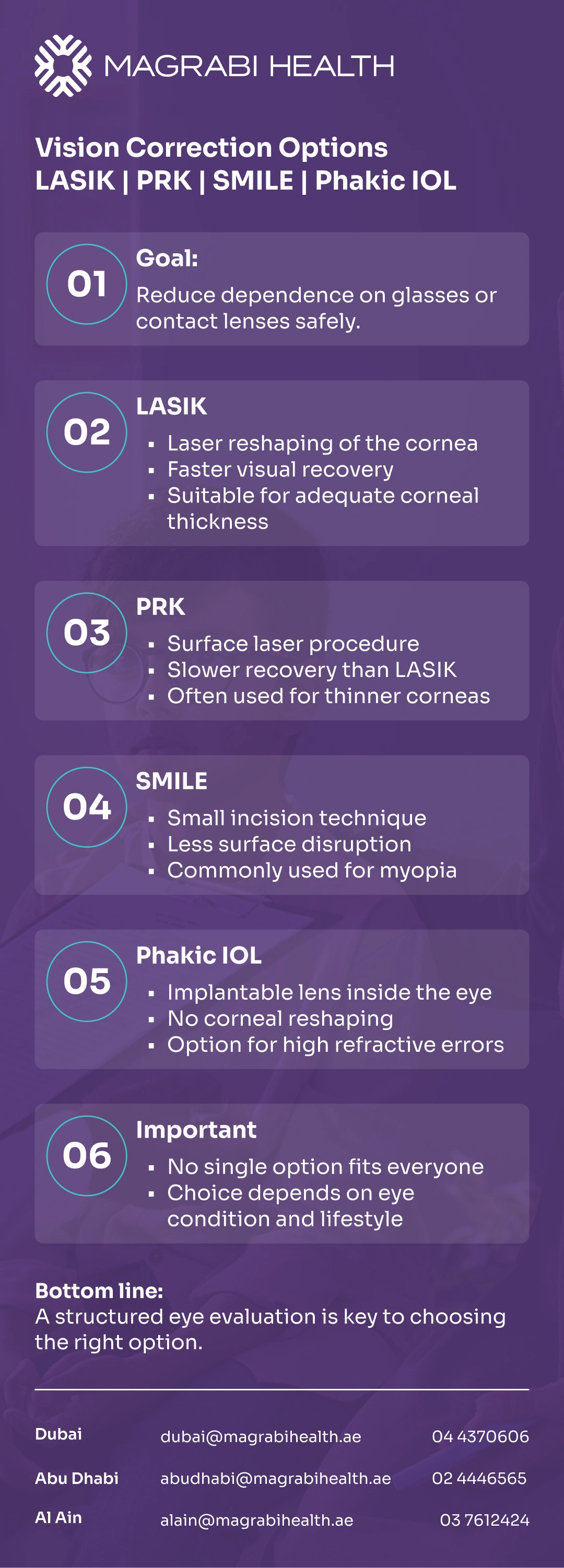
Vision correction procedures aim to reduce dependence on glasses or contact lenses by addressing refractive errors such as myopia (short-sightedness), hyperopia (long-sightedness), and astigmatism.
Some options reshape the cornea using laser technology, while others involve placing a corrective lens inside the eye without removing the natural lens.
No single option is universally “better.” The most appropriate choice depends on multiple factors, including corneal thickness and shape, degree of refractive error, ocular surface health, age, and lifestyle demands.
Eyes are not identical, and neither are visual needs. A procedure that is suitable and effective for one person may not be appropriate for another.
For example, laser-based procedures depend heavily on corneal characteristics, while lens-based options may be considered when laser correction is not advisable.
Other factors—such as dry eye symptoms, recovery expectations, participation in contact sports, and the need for stable night vision—also influence the decision.
This is why comparing options side by side can be helpful, but final decisions should always be individualized.
LASIK (Laser-Assisted In Situ Keratomileusis) is one of the most commonly known laser vision correction procedures. It involves creating a thin flap in the cornea, lifting it, and reshaping the underlying corneal tissue with a laser before repositioning the flap.
LASIK is often considered for people who:
Have adequate corneal thickness
Have stable refractive errors
Prefer relatively quick visual recovery
Many patients experience functional vision within a short time, though healing varies. However, LASIK may not be ideal for everyone, particularly those with certain corneal conditions or significant dry eye symptoms.
PRK (Photorefractive Keratectomy) is a surface laser procedure where the outermost corneal layer is removed and the laser is applied directly to the corneal surface. No corneal flap is created.
PRK may be preferred when:
The cornea is relatively thin
Creating a corneal flap is not recommended
Long-term corneal stability is a priority
Visual recovery with PRK typically takes longer than with LASIK, and initial discomfort may be greater. However, PRK remains a well-established option with long-term outcomes comparable to LASIK in appropriately selected cases.
SMILE (Small Incision Lenticule Extraction) is a newer laser procedure that reshapes the cornea through a small incision without creating a full flap. A tiny piece of corneal tissue is removed to correct vision.
SMILE may be suitable for some patients because:
It preserves more of the cornea’s surface structure
It involves a smaller incision
It may be associated with fewer dry-eye symptoms in certain cases
SMILE is commonly used for myopia and myopic astigmatism, but it may not be appropriate for all refractive errors or eye conditions.
Phakic intraocular lenses involve implanting a corrective lens inside the eye while leaving the natural lens in place. Unlike laser procedures, this option does not reshape the cornea.
Phakic IOLs may be considered when:
Refractive error is high
Corneal thickness or shape is not suitable for laser
A reversible or adjustable option is preferred
Because this is an intraocular procedure, it requires careful assessment and long-term follow-up. It differs fundamentally from laser-based treatments and is not suitable for everyone.
Determining whether laser-based correction or a lens-based option is appropriate requires a comprehensive eye assessment, such as the medical evaluation performed at Magrabi Health, which includes detailed corneal and ocular health testing.
While all four options aim to improve vision, they differ in important ways:
Corneal involvement:
LASIK, PRK, and SMILE reshape the cornea; phakic IOLs do not alter corneal structure.
Recovery time:
LASIK and SMILE often allow faster functional recovery than PRK; recovery after phakic IOL implantation varies.
Dry eye considerations:
Pre-existing dry eye and ocular surface health may influence which procedure is more suitable.
Range of correction:
Some options are better suited to higher degrees of refractive error than others.
Understanding these differences helps set realistic expectations before moving forward.
For more information, you may visit the Refractive and Laser Eye Surgery page on Magrabi Health’s website and schedule an appointment.
Choosing the most appropriate vision correction method involves more than comparing procedures. Ophthalmologists rely on detailed measurements and clinical judgment, including:
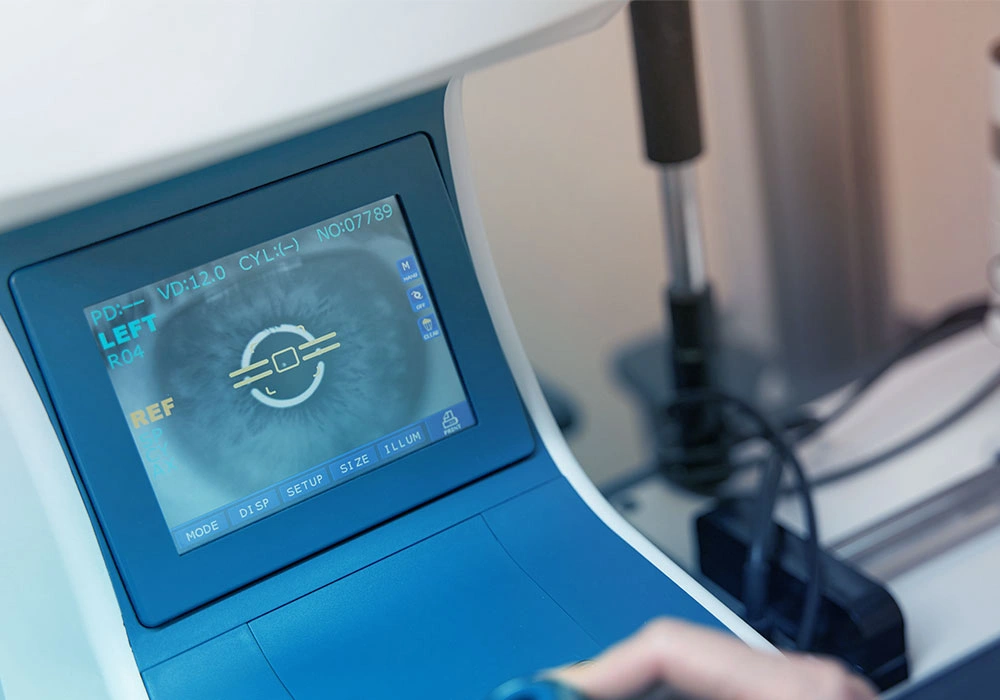
Precise refraction testing
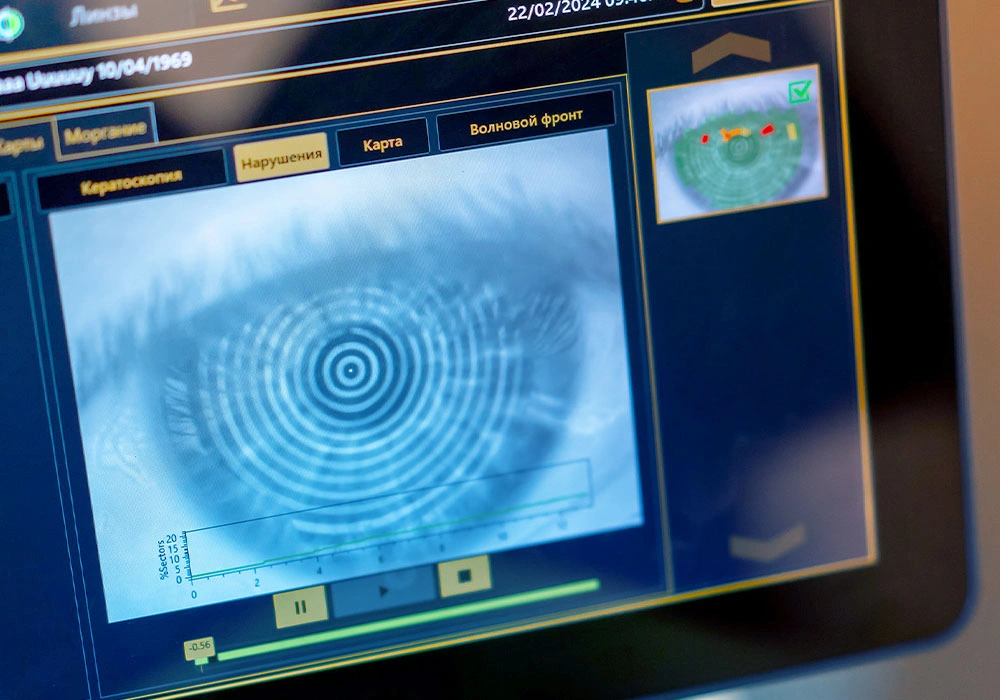
Corneal thickness and shape analysis
Tear film and ocular surface evaluation
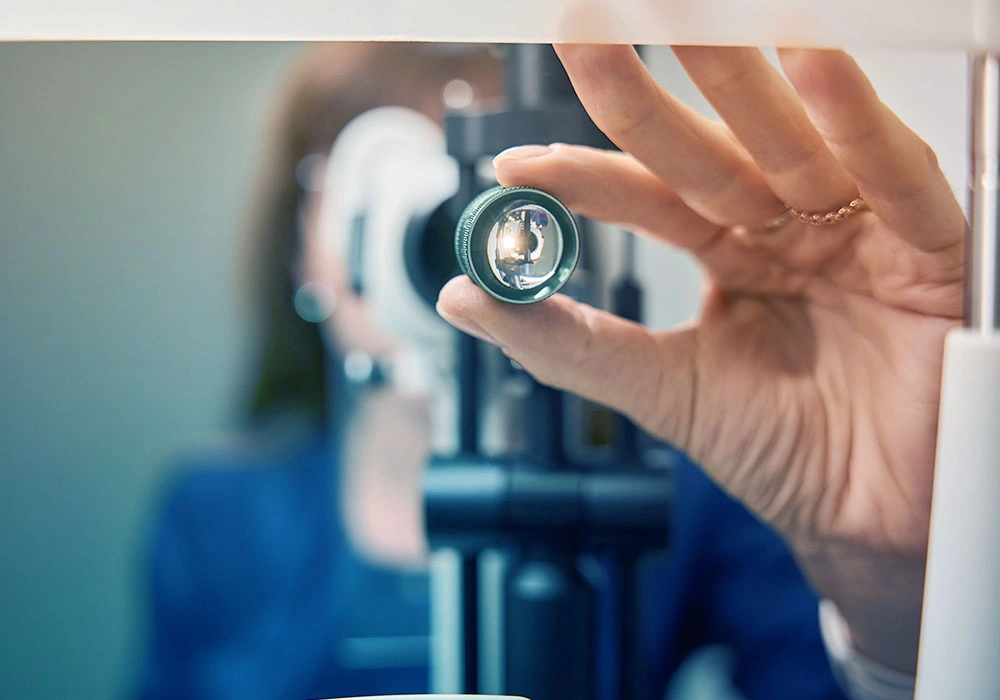
Eye pressure and retinal examination
Discussion of lifestyle needs and visual priorities
The goal is to balance safety, effectiveness, and long-term eye health.
You may consider seeking a professional evaluation if:
You want to reduce reliance on glasses or contact lenses
Your vision prescription has been stable
You experience visual discomfort affecting daily activities
You want to understand which options may be appropriate for your eyes
An evaluation helps clarify possibilities and limitations before any decision is made.
A structured evaluation at Magrabi Health helps identify which option best aligns with your eyes, expectations, and lifestyle. Book a consultation.
LASIK, PRK, SMILE, and phakic IOLs are all established vision correction options, each with specific indications and considerations.
No single procedure is universally suitable. Understanding how these options differ—and why careful evaluation matters—can help you make an informed, realistic decision about vision correction.
Medically reviewd By Magrabi Health Specialized Doctors
Medical Disclaimer: The information in this article is for health education purposes only and does not replace a visit to a doctor or consultation with a qualified specialist. Magrabi doctors recommend seeking medical evaluation for an accurate diagnosis and appropriate treatment plan.