Pediatric Eye Clinic in UAE
Children do not always explain vision problems clearly. A child may rub their eyes, sit close to screens, close one eye, complain of headaches, struggle with reading, avoid schoolwork, or show signs of squinting without being able to describe what they see. A pediatric eye clinic assessment helps parents understand whether these symptoms may be linked to vision, eye alignment, lazy eye, strabismus, eye strain, allergy, or another childhood eye condition.
At Magrabi Health UAE, pediatric ophthalmology starts with a child-focused eye assessment. The ophthalmologist reviews the child’s symptoms, age, visual needs, school concerns, eye alignment, family history, and general eye health before recommending glasses, monitoring, lazy eye care, squint evaluation, allergy support, further testing, or another suitable care pathway.
Magrabi Health combines specialized children’s eye care with trusted UAE access. The Dubai branch is JCI-accredited and rated 4.6 out of 5 stars on Google based on 775 patient reviews, while pediatric eye assessments can also be arranged through Magrabi Health branches in Abu Dhabi, Al Ain, and Mirdif, depending on doctor availability, appointment needs, and the child’s care pathway.
A patient advisor can help guide you to the suitable UAE branch, pediatric eye doctor, or pediatric eye clinic consultation based on your child’s symptoms and location.
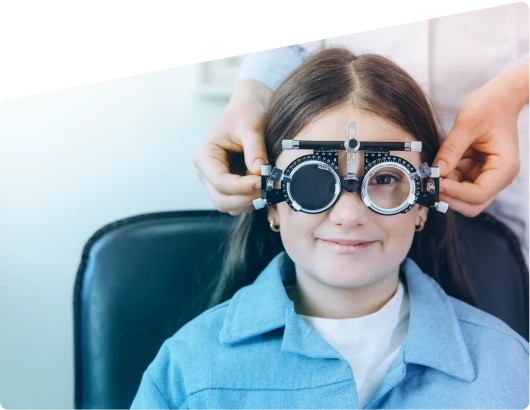
Why Choose Magrabi Health For Pediatric Eye Clinic Care?
Choosing the right pediatric eye clinic is important because children’s eye problems can affect learning, reading, confidence, eye comfort, and daily development. At Magrabi Health, children are assessed through a doctor-led pathway before any glasses prescription, treatment plan, follow-up schedule, or referral is recommended.
Pediatric ophthalmology assessment for blurry vision, eye rubbing, squint, strabismus, lazy eye, headaches, school vision concerns, and repeated eye redness.
Doctor-led evaluation based on the child’s age, symptoms, vision needs, eye alignment, family history, and eye health.
Child-focused care pathways that may include glasses guidance, lazy eye support, squint evaluation, allergy care, monitoring, or further diagnostic testing.
Access to UAE branches including Dubai, Abu Dhabi, Al Ain, and Mirdif, depending on doctor availability and the child’s care needs.
WhatsApp guidance before booking to help parents choose the suitable branch, doctor, and pediatric eye clinic consultation route.
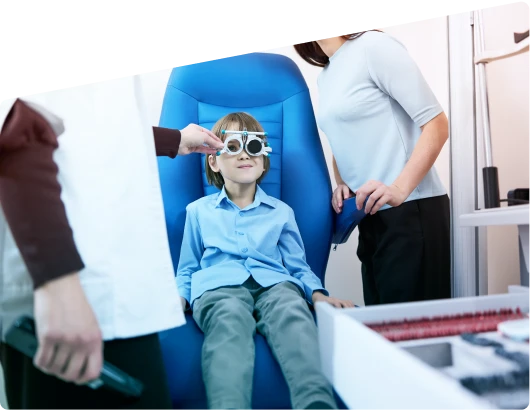
When Should Your Child Visit A Pediatric Eye Clinic?
A pediatric eye clinic visit may be useful even when a child does not clearly complain of poor vision. A pediatric ophthalmology assessment may be relevant if your child:
Rubs the eyes frequently.
Sits very close to screens or books.
Squints, closes one eye, or tilts the head to see.
Complaints of headaches or eye strain.
Has blurry vision, double vision, or difficulty seeing the board at school.
Struggles with reading, writing, or following lines on a page.
Has crossed eyes, drifting eyes, or suspected squint.
Shows signs of strabismus, where the eyes do not appear aligned.
Has a family history of glasses, lazy eye, squint, strabismus, or childhood eye disease.
Failed or had concerns during a school vision screening.
Has repeated eye redness, tearing, light sensitivity, or allergy symptoms.
Was born prematurely or has a medical condition that may affect eye health.
Needs follow-up for glasses, lazy eye, squint, or previous pediatric eye treatment.
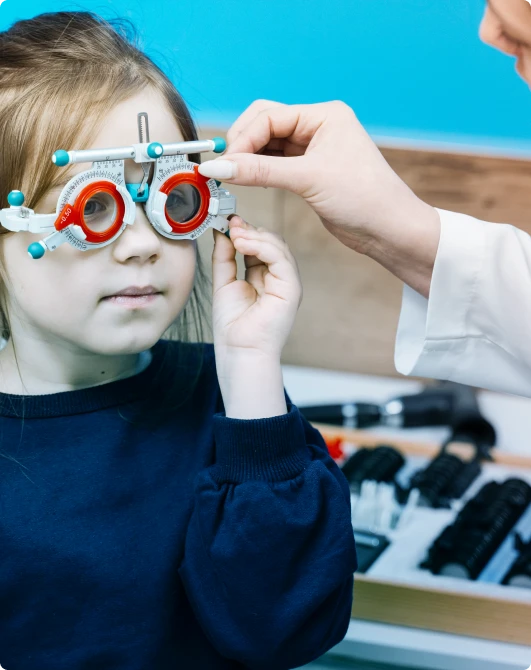
Pediatric Ophthalmology Conditions And Care Pathways At Magrabi Health
Pediatric ophthalmology at Magrabi Health starts with assessment because different symptoms can have different causes. The doctor first reviews the child’s vision, symptoms, eye alignment, eye health, age, family history, and development before recommending the suitable care pathway. Depending on the diagnosis, pediatric eye care may include:
Children’s Vision Assessment
Checks visual clarity, refractive errors, and whether vision problems may affect reading, schoolwork, screen use, or daily activities.
Glasses and Prescription Guidance
The doctor assesses whether glasses are needed for nearsightedness, farsightedness, astigmatism, or other refractive errors and explains follow-up needs.
Lazy Eye Care
Lazy eye may develop due to unequal prescriptions, squint, or another eye condition. Treatment may include glasses, patching, monitoring, or other doctor-recommended care.
Squint and Eye Alignment Evaluation
The doctor evaluates crossed or misaligned eyes, eye movements, visual development, and lazy eye risk before recommending suitable treatment or monitoring.
Blurry Vision and School Difficulties
Children who struggle to see the board, read, or focus may need assessment for refractive errors, eye strain, focusing problems, or alignment conditions.
Redness, Eye Rubbing, and Pediatric Eye Conditions
Frequent rubbing, redness, tearing, or unusual eye symptoms may require assessment for allergies, irritation, eye disease, trauma, or developmental concerns.
What Happens During A Pediatric Eye Clinic Consultation?
The doctor may ask about eye rubbing, headaches, school performance, screen habits, reading difficulty, squinting, closing one eye, previous glasses, birth history, family history, allergies, eye redness, or previous eye treatment.

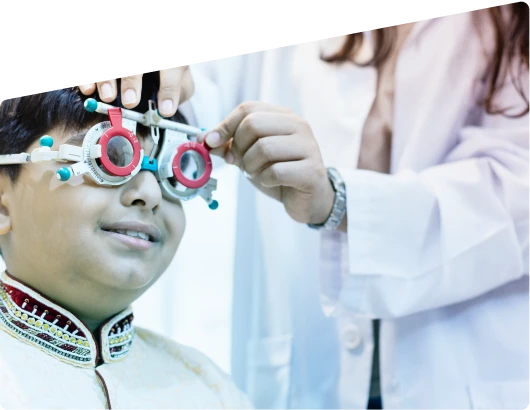
Your child’s vision may be checked using age-appropriate methods. The doctor may assess whether nearsightedness, farsightedness, astigmatism, or prescription imbalance is affecting vision.
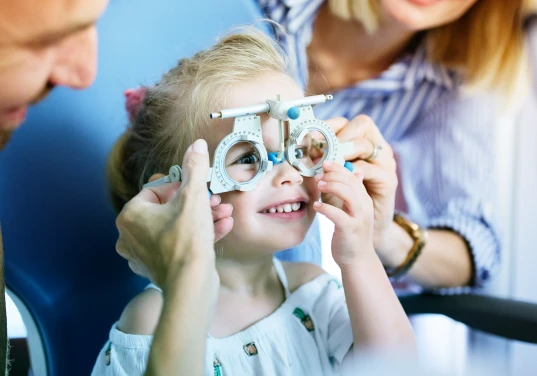
The ophthalmologist may evaluate how both eyes work together, whether the eyes are aligned, and whether there are signs of squint, strabismus, drifting, focusing difficulty, or double vision concerns.

The doctor may examine the front and back of the eye when needed to assess general eye health, eye surface, lens, retina, optic nerve, and other structures depending on symptoms and cooperation.
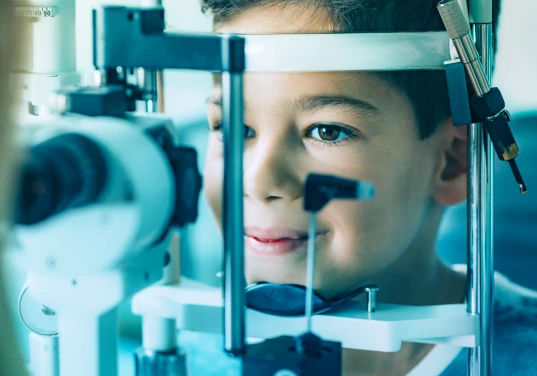
The doctor explains whether glasses, monitoring, lazy eye care, squint evaluation, strabismus follow-up, allergy treatment, further tests, or follow-up may be suitable based on the examination and diagnosis.

Pediatric Eye Clinic Doctors in Magrabi Health
Choosing the right pediatric eye doctor is an important step, especially if your child needs vision assessment, glasses, squint evaluation, strabismus care, lazy eye support, school vision assessment, or follow-up. Doctor availability, specialty, language, child age, and appointment needs should be confirmed before booking.

Dr. Ossama Abd ElHakim
Consultant Ophthalmology | Trusted Eye Doctor in Dubai for Children & Eyelid Surgery

Dr. Hassan Sabri
Consultant Cataract Surgeon & Pediatric Ophthalmologist | Eye Doctor in Abu Dhabi

Dr. Omar Abu Suud
Pediatric Ophthalmology & Strabismus Specialist | Experienced Children’s Eye Doctor and Strabismus Surgeon in Dubai

Dr. Mohammed Kaoud
Pediatric Ophthalmology & Strabismus Surgeon | Specialist Cataract & Anterior Segment | Dubai healthcare city

Dr. Alfonso Castanera De Molina
Consultant Pediatric Ophthalmologist & Strabismus Specialist | Eye Doctor in Abu Dhabi
Patient Confidence In Pediatric Eye Care At Magrabi Health
My daughter's lazy eye improved from 20/50 to 20/25 after a tailored patching and vision therapy program. The child-friendly environment kept her engaged and cooperative throughout. Magrabi's pediatric team truly understands how to make kids feel comfortable.
Latifa Al-Suwaidi
My son has had crossed eyes since birth. The strabismus correction surgery was a success – his eyes are now perfectly aligned, and his reading and sports have noticeably improved. The staff were reassuring and professional from start to finish.
Maher Araby
My child was struggling with reading and kept rubbing his eyes after school. The doctor explained the eye test clearly, checked his vision carefully, and helped us understand whether glasses were needed. The team was patient and made the visit easier for my child.
Sameer
We booked a pediatric eye clinic appointment because we noticed one eye drifting sometimes. The doctor assessed the eye alignment and explained the difference between squint and lazy eye in a simple way. We left with a clear follow-up plan.
Mona
The clinic team was very supportive during my daughter’s eye assessment. She was nervous at first, but the doctor and staff made the process calm and child-friendly. The explanation was clear, and we understood the next steps.
Suha

Real Stories, Real Results: Hear from Our Families
The success of our treatments is best reflected in the heartfelt stories of our patients. Families frequently share how our expert care, welcoming environment, and the improvements in their children’s vision have made a real difference in their lives.

How To Prepare For Your Child’s Pediatric Eye Clinic Appointment
Preparing a few details before the visit can help the doctor understand your child’s symptoms and recommend the suitable next step. Before the appointment, it may help to:
Bring your child’s current glasses or previous prescription if available.
Share any school vision screening notes or teacher observations.
Write down symptoms such as eye rubbing, headaches, squinting, reading difficulty, or closing one eye.
Mention when the symptoms started and whether they happen during reading, screens, school, or distance viewing.
Share any family history of glasses, lazy eye, squint, strabismus, or childhood eye disease.
Tell the doctor about premature birth, medical conditions, allergies, or previous eye treatment.
Bring previous eye reports, images, or test results if available.
Prepare questions about glasses, patching, squint, strabismus, lazy eye, follow-up, and treatment expectations.
FAQs About Pediatric Eye Clinic And Pediatric Ophthalmology
WE'RE READY TO ANSWER YOUR QUESTIONS-
What Is A Pediatric Eye Clinic?
-
What Is Pediatric Ophthalmology?
-
When Should My Child Visit A Pediatric Eye Clinic?
-
Can Children’s Eye Problems Be Treated Early?
-
Can I Ask On WhatsApp Before Booking A Pediatric Eye Clinic Appointment?
Find Out If Your Child Needs A Pediatric Eye Clinic Appointment
If your child is rubbing their eyes, struggling with reading, sitting too close to screens, complaining of headaches, closing one eye, or showing signs of squint or strabismus, do not rely on symptoms alone. The right first step is a pediatric eye clinic assessment with an ophthalmologist.
Send a quick WhatsApp message, and the team can help guide you to the suitable UAE branch, pediatric eye doctor, or children’s eye care consultation based on your child’s symptoms, age, and location.
Related Services You May Need
Refractive Laser Eye Surgery
Explore refractive and laser eye surgery options at Magrabi Health, with personalized assessments to help determine the most suitable vision correction approach.

Expert Vitreo-Retinal Care
Explore specialist retina and vitreous care at Magrabi Health for diagnosing, monitoring, and managing conditions that can affect the retina and vision.
Eye Care
Explore Magrabi Health eye care services covering routine assessments, specialist consultations, diagnostic testing, and treatment for a wide range of eye conditions.
Related Health Insights
2024

How to get rid of eyeglasses forever
2025

LASIK Age Limit 7 Key Facts About the Right Age for LASIK

Submit your request