Nasal polyps are soft, noncancerous growths that develop inside the nose or sinuses. Common nasal polyps symptoms include persistent nasal congestion, reduced sense of smell, postnasal drip, sinus pressure, and difficulty breathing through the nose. This article explains the main signs, possible causes, diagnosis, nasal polyps in children, when one-sided growths or bleeding need closer assessment, and when to seek Rhinology care at Magrabi Health.
Last updated: 1/11/2026
Nasal polyps symptoms commonly include persistent nasal congestion, reduced sense of smell, postnasal drip, sinus pressure, and difficulty breathing through the nose. Nasal polyps are soft, noncancerous growths that develop inside the nasal cavity or sinuses.
Small nasal polyps may cause few or no noticeable symptoms. Larger polyps can cause persistent nasal blockage and may affect smell, breathing, sleep, and daily comfort. An ENT assessment can help determine whether nasal polyps or another nasal or sinus condition is causing these symptoms.
If persistent nasal blockage, reduced smell, or recurring nasal and sinus symptoms are affecting your daily comfort, learn more about Rhinology at Magrabi Health and the assessment of nasal and sinus conditions.
Nasal polyps are soft, painless, noncancerous growths that develop from the lining of the nose or sinuses. This nasal polyps definition describes growths that may occur alone or as multiple polyps inside the nose.
Small polyps may cause no noticeable symptoms. Larger growths can block the nasal passages, reduce airflow, and contribute to nasal congestion, postnasal drip, or changes in the sense of smell.
The NHS explains that nasal polyps are usually not serious, but they can continue to grow and block the nose if left untreated.
The most common nasal polyps symptoms include persistent nasal congestion, reduced or lost sense of smell, postnasal drip, runny nose, sinus pressure, and difficulty breathing through the nose.
Small nasal polyps may cause few or no noticeable symptoms. Larger polyps can create persistent nasal blockage and interfere with normal airflow.
Common signs of nasal polyps include:
Persistent nasal congestion or a blocked nose.
Reduced sense of smell or loss of smell.
Runny nose.
Postnasal drip.
Sinus pressure or facial discomfort.
Snoring or difficulty breathing through the nose.
Persistent nasal blockage that does not improve as expected.
Nasal polyps symptoms are not specific to nasal polyps. Allergic rhinitis, sinus infections, a deviated septum, and other nasal conditions can cause similar nasal and sinus symptoms.
The exact causes of nasal polyps are not fully understood, but long-term inflammation of the nose and sinuses is strongly associated with their development. Chronic rhinosinusitis is one of the conditions commonly linked to nasal polyps.
Common factors associated with nasal polyps causes include:
Chronic rhinosinusitis.
Asthma.
Allergic rhinitis.
Recurrent nasal or sinus inflammation.
Aspirin or NSAID sensitivity.
Certain medical conditions, including cystic fibrosis.
Allergy-related inflammation may contribute to swelling in the nose and sinuses, but allergies do not explain every case of nasal polyps.
Nasal and sinus inflammation can occur alongside other ENT conditions. You can learn more about common ENT disorders and the symptoms that may require medical assessment.
Nasal polyps types can be described according to their location, extent, and whether they are associated with an underlying condition. Medical classifications may describe nasal polyps as localized, diffuse, or related to systemic disease.
For patients, the pattern and location of the polyps are often especially important:
Bilateral or diffuse nasal polyps: These usually affect both sides of the nose and are commonly associated with chronic rhinosinusitis and long-term nasal inflammation.
Localized nasal polyps: These develop in a more limited area of the nasal cavity or sinuses rather than affecting both sides extensively.
one sided nasal polyps: A polyp or nasal growth affecting only one side requires closer medical assessment. Typical inflammatory nasal polyps are more commonly found on both sides of the nose.
Polyps associated with systemic conditions: In some patients, nasal polyps may occur alongside conditions such as cystic fibrosis or other disorders that affect inflammatory processes in the body.
The appearance of a nasal growth alone cannot determine its type or cause. An ENT doctor may use nasal endoscopy and, when necessary, imaging to distinguish typical inflammatory polyps from other conditions affecting the nasal cavity.
Nasal polyps are usually benign, noncancerous growths and are not considered cancer. They develop from inflamed tissue inside the nose or sinuses and are commonly associated with chronic nasal or sinus inflammation.
Concerns about nasal polyps cancer often arise because other growths inside the nasal cavity can sometimes look similar to polyps. Although typical inflammatory nasal polyps are noncancerous, not every nasal growth should be assumed to be a simple polyp.
A growth that mainly affects one side of the nose, is associated with repeated bleeding, or has unusual features should be assessed by an ENT doctor.
Most nasal polyps are not dangerous, but some patterns deserve closer evaluation because they may be unusual for typical inflammatory polyps or may indicate an underlying condition.
Finding | Why Medical Assessment Matters |
one sided nasal polyps | A growth affecting only one side of the nose may require nasal endoscopy and imaging to identify the cause and rule out other nasal conditions. |
nasal polyps bleeding | Repeated nosebleeds should be medically assessed rather than automatically attributed to a nasal polyp. |
nasal polyps in children | Nasal polyps are uncommon in children, so their presence may require assessment for an underlying medical condition. |
If you have persistent nasal blockage, repeated bleeding, reduced smell, or symptoms mainly affecting one side of the nose, contact Magrabi Health via WhatsApp to ask about Rhinology care and the appropriate next step.
Nasal polyps in children are uncommon and should be medically assessed when suspected. Nasal polyps symptoms in children may include persistent nasal blockage, reduced sense of smell, or ongoing difficulty breathing through the nose.
Signs that may require closer assessment include:
Persistent nasal obstruction.
Ongoing difficulty breathing through the nose.
Reduced sense of smell.
Recurrent nasal or sinus symptoms.
A suspected growth inside the nose.
Because nasal polyps are less common in children, the doctor may look beyond the polyp itself and consider whether another nasal condition or an underlying medical problem is contributing to the symptoms.
Diagnosis may involve reviewing the child's symptoms and medical history, examining the nasal passages, and deciding whether further ENT assessment is needed.
No. Nasal polyps images or nasal polyps pictures can show what these growths may look like, but photographs alone cannot confirm a diagnosis.
Several conditions inside the nasal cavity can appear similar. A doctor needs to assess the symptoms and examine the nasal passages before confirming whether a growth is a nasal polyp.
Online images have important limitations:
They do not show how deep or extensive a nasal growth is.
Different nasal conditions may have a similar appearance.
A photograph cannot assess associated nasal inflammation or sinus disease.
Images cannot replace nasal examination or nasal endoscopy when further evaluation is needed.
For this reason, persistent nasal blockage or a suspected growth inside the nose should be evaluated medically rather than identified from online images alone.
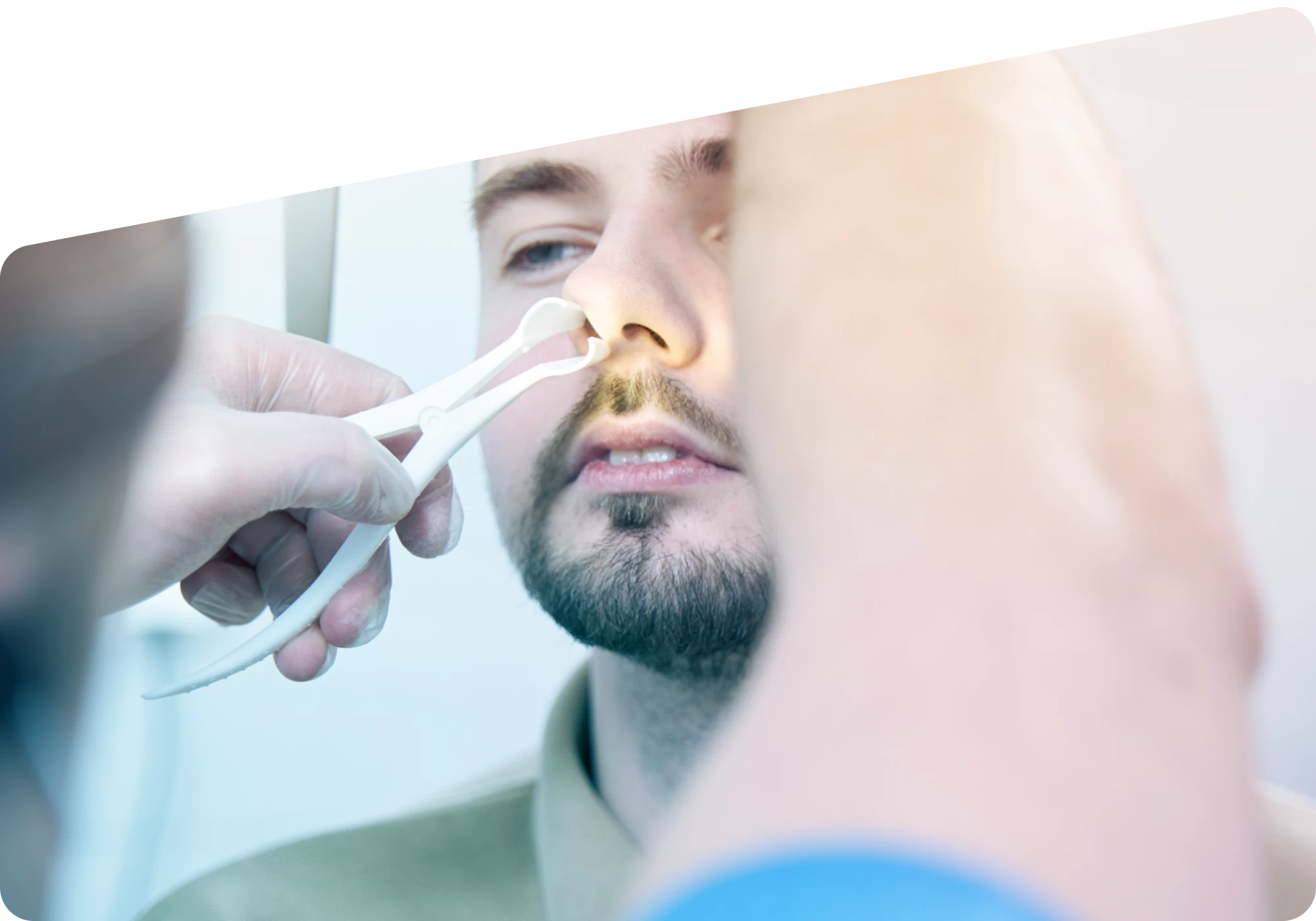
When nasal polyps symptoms persist or affect breathing or smell, diagnosis usually involves reviewing the medical history, examining the nose, and using nasal endoscopy when a closer look inside the nasal cavity is needed.
The assessment may include:
Medical history: The doctor asks about persistent nasal congestion, reduced sense of smell, sinus symptoms, allergies, asthma, and previous nasal or sinus problems.
Nasal examination: The visible nasal passages are examined for swelling, inflammation, or nasal growths.
Nasal endoscopy: A small endoscope can provide a clearer view of deeper areas of the nasal cavity and help identify the location and extent of polyps.
sinus CT scan: Imaging may be recommended to show the size and distribution of polyps, assess the sinuses, and look for other causes of nasal obstruction.
Not every patient needs the same tests. The diagnostic approach depends on the symptoms, examination findings, and whether the nasal growths have typical or unusual features.
At Magrabi Health Abu Dhabi, Rhinology care includes assessment of persistent nasal blockage, sinus symptoms, nasal inflammation, and breathing difficulty to help determine the cause and guide the appropriate treatment plan.
Nasal polyps are usually treated by reducing inflammation, improving nasal airflow, and managing associated sinus disease. Treatment may include medications, specialist therapies, or endoscopic surgery depending on the severity of symptoms and how well the condition responds to initial treatment.
Common treatment approaches include:
Medical treatment: Nasal corticosteroid sprays are commonly used to reduce inflammation and help shrink nasal polyps. Other medicines may be considered depending on associated nasal, sinus, allergy, or asthma symptoms.
Additional specialist treatment: Some patients with severe or recurrent nasal polyps may need other treatments under the supervision of an ENT specialist.
Endoscopic surgery: Surgery may be considered when significant nasal obstruction or other symptoms continue despite appropriate medical treatment.
Follow-up care: Nasal polyps can return after treatment, so ongoing management of nasal inflammation and regular follow-up may be recommended.
The most suitable treatment depends on the size and extent of the polyps, the severity of nasal polyps symptoms, associated medical conditions, and the findings of the ENT assessment.Treatment should therefore be individualized rather than based on the appearance of a suspected polyp alone.
You should seek medical care when nasal polyps symptoms persist, keep returning, worsen over time, or begin to affect breathing, smell, sleep, or daily activities.
An ENT assessment is particularly important if you notice:
Persistent or worsening nasal blockage.
Difficulty breathing through the nose.
A significant reduction or loss of smell.
Symptoms mainly affecting one side of the nose.
Recurrent nasal bleeding.
Nasal or sinus symptoms that continue despite initial treatment.
These signs do not always mean that nasal polyps are present, but they may indicate that the nasal passages or sinuses need closer examination.
If you are preparing for an ENT assessment, you can also read how to choose an ENT doctor in Abu Dhabi based on your symptoms and the type of evaluation you may need.
The NHS recommends seeking medical advice if you think you may have nasal polyps, particularly when symptoms persist, breathing becomes difficult, or your sense of smell changes.
If persistent nasal or sinus symptoms are affecting your breathing or sense of smell, You can book an appointment with Magrabi Health through a phone call or use the booking form for a specialist assessment.
Nasal polyps symptoms often develop gradually and may include persistent nasal congestion, reduced smell, postnasal drip, sinus pressure, and difficulty breathing through the nose. Although typical nasal polyps are benign, persistent symptoms, one-sided growths, or repeated bleeding deserve medical assessment. A Rhinology evaluation at Magrabi Health can help identify the cause of nasal and sinus symptoms and determine the most appropriate next step.
Medically reviewed by Magrabi Health Specialized Doctors.
Medical Disclaimer: The information in this article is for health education purposes only and does not replace a visit to a doctor or consultation with a qualified specialist. Magrabi Health doctors recommend seeking medical evaluation for an accurate diagnosis and appropriate treatment plan.
NHS – Nasal polyps.
DHA – Clinical Guidelines for Virtual Management of Allergic Rhinitis.
Sinus Surgery: When Is It Needed and What to Expect?

Sinus Headache: Causes and How to Tell It Apart from Migraine

Sinusitis Symptoms: Early Signs, Types and When to See an ENT