A sinus headache may cause facial pressure and pain alongside nasal congestion, discharge, or reduced smell. However, migraine can produce similar symptoms, making accurate diagnosis important. This guide explains sinus headache symptoms, common causes, treatment options, and how to distinguish sinus-related pain from migraine, including when to see an ENT specialist.
Last updated: 27/10/2026
A sinus headache describes pain or pressure around the forehead, cheeks, or eyes that people attribute to their sinuses. When sinusitis is responsible, symptoms usually include nasal congestion, nasal discharge, or reduced smell. However, migraine can cause similar facial pain and nasal symptoms, so these symptoms alone do not confirm sinus disease.
The location of pain alone cannot identify the cause. A medical assessment considers nasal symptoms, headache patterns, and associated symptoms, such as nausea or sensitivity to light and sound, to distinguish sinusitis from migraine or another type of headache.
If recurring sinus pressure, headache and nasal blockage, or facial discomfort are affecting your daily life, learn more about Rhinology and sinus care at Magrabi Health and how nasal and sinus conditions are assessed.
A sinus headache describes pain or pressure around the forehead, cheeks, or eyes that is thought to come from the sinuses. The term does not confirm sinus disease, because migraine and tension headache can cause similar discomfort.
When sinus inflammation is responsible, swelling can interfere with mucus drainage and contribute to sinus pressure and facial tenderness. Other symptoms usually include nasal congestion, nasal discharge, or a reduced sense of smell.
The location of pain alone cannot identify its cause. A medical assessment considers the headache pattern, accompanying symptoms, and examination findings to distinguish sinus-related pain from migraine or another headache disorder.
When sinus inflammation is responsible, common sinus headache symptoms include facial pain or pressure, nasal congestion, nasal discharge, and a reduced sense of smell. Pain may affect the forehead, cheeks, or areas around the eyes.
Symptoms may include:
Pressure or aching around the forehead, cheeks, or nose, including discomfort around or behind the eyes.
Facial tenderness or discomfort when touching the affected area.
Nasal congestion or blockage, often with nasal discharge.
A reduced sense of smell.
Aching in the upper teeth or pain that becomes worse when bending forward.
These symptoms alone do not confirm sinusitis. Migraine can also cause facial pressure, nasal congestion, and pain that worsens when bending forward. Thick nasal discharge and reduced smell are more suggestive of sinus disease, but a medical assessment may be needed to identify the cause.
For a fuller overview of nasal blockage, discharge, and changes in smell, read our guide to sinusitis symptoms.
A sinus headache linked to sinusitis can develop when inflammation causes swelling and disrupts normal mucus drainage. Viral infections are a common trigger, while bacterial infections and chronic sinus inflammation can also contribute to facial pressure and pain.
Colds and other viral respiratory infections can inflame the lining of the nose and sinuses. This swelling may interfere with drainage, leading to mucus buildup, nasal congestion, and temporary sinus pain.
A bacterial sinus infection sometimes develops after a viral illness, particularly when sinus drainage remains blocked. It can prolong inflammation and facial discomfort, but not every episode of sinusitis is bacterial.
Chronic rhinosinusitis involves sinus inflammation and symptoms lasting at least 12 weeks. It may cause persistent facial discomfort alongside nasal blockage, discharge, or reduced smell.
Nasal polyps, allergies, or structural problems affecting drainage may contribute to ongoing sinus symptoms. An ENT assessment can help identify these factors and determine whether further investigation is needed.
For a broader introduction to conditions affecting the ears, nose, and throat, read our overview of common ENT disorders.
Sinus-related headaches and migraines can feel surprisingly similar.
Migraine may cause forehead pressure, facial discomfort, congestion, watery nasal discharge, and pain around the eyes. This overlap explains why some people believe they have sinus pain when their symptoms are actually caused by migraine.
Mayo Clinic explains that migraine can include congestion, facial pressure, and clear watery nasal discharge, while sinusitis is more likely to occur with features such as thick discolored mucus and reduced smell.
The American Migraine Foundation also notes that many people who describe recurring “sinus headaches” are eventually diagnosed with migraine after medical evaluation.
Feature | Headache Related to Sinusitis | Migraine |
Facial pressure | Common | Can also occur |
Nasal congestion | Common | May occur |
Nasal discharge | Often thick or discolored when infection is present | May be clear and watery |
Reduced sense of smell | More suggestive of sinus disease | Less typical |
Nausea | Less typical | Common |
Sensitivity to light or sound | Less typical | Common |
Throbbing or pulsating pain | Less typical | Common |
Recent cold or respiratory infection | May be present | Not required |
Pain with movement or normal activity | Variable | Often worsens |
Need for headache diagnosis | Important when symptoms are unclear | Important for recurrent attacks |
A tension headache is another possible cause of forehead discomfort. It usually creates pressure or tightness around the head without the nasal discharge, reduced smell, or other features expected with active sinus disease.
According to Magrabi Health doctors, headache evaluation should consider the complete symptom pattern rather than assuming that every headache with facial pressure comes from the sinuses.
Yes. Migraine can cause symptoms that feel very similar to sinus disease.
During a migraine attack, some people develop:
Nasal congestion.
A runny nose.
Watery eyes.
Facial pressure.
Pain around the forehead or eyes.
This means congestion does not automatically prove that sinus inflammation is responsible for the headache.
Nausea, sensitivity to light or sound, throbbing pain, and recurring attacks may point more strongly toward migraine, although a clinical assessment is needed for an accurate diagnosis.
If you are unsure whether recurring facial pressure is related to the sinuses or another type of headache, you can contact the Magrabi Health team on WhatsApp for guidance on the appropriate ENT service.
A correct headache diagnosis begins with understanding the full pattern of symptoms.
The doctor may ask:
When the headache started.
Where the pain is located.
Whether the discomfort is constant or comes in attacks.
Whether nasal congestion or discharge is present.
Whether the sense of smell has changed.
Whether there has been a recent respiratory infection.
Whether nausea or sensitivity to light or sound occurs.
Whether similar headaches have happened before.
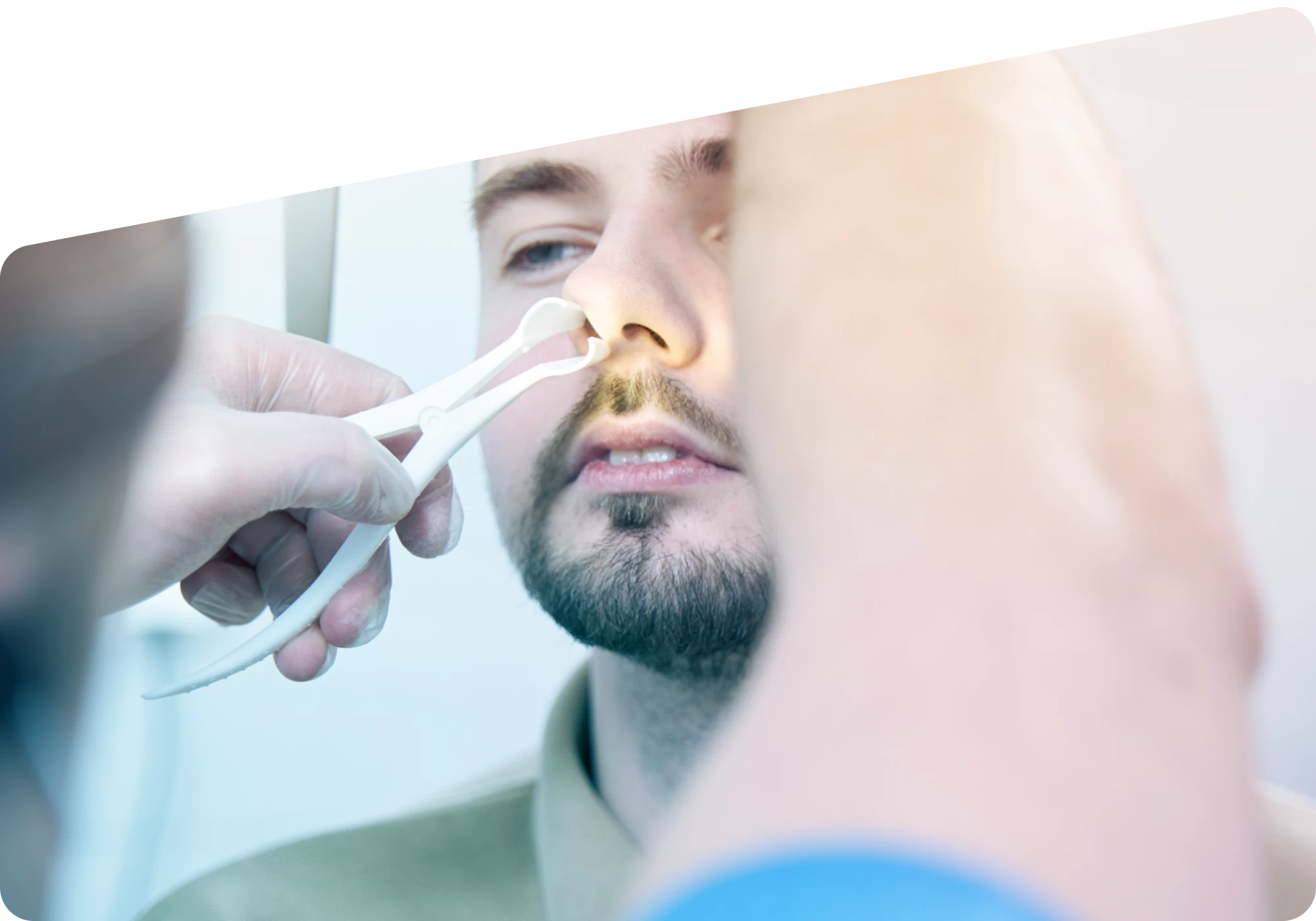
When sinus disease is suspected, an ENT examination can help assess the nasal passages and sinus-related symptoms.
Depending on the clinical findings, nasal endoscopy or imaging may sometimes be considered. These tests are not required for every headache.
The right sinus headache treatment depends on what is actually causing the symptoms.
Treatment should focus on the underlying condition rather than treating facial pressure alone.
When symptoms are related to sinus inflammation, treatment may focus on improving drainage, reducing nasal inflammation, and managing the underlying cause.
Depending on the diagnosis, a doctor may recommend measures such as saline nasal care, appropriate nasal treatment, pain relief, or additional treatment for an infection when medically indicated.
Antibiotics are not appropriate for every episode of sinus discomfort because many sinus symptoms occur without bacterial infection.
The appropriate sinus headache medication varies according to the diagnosis.
A doctor may recommend treatment aimed at relieving pain or controlling nasal inflammation. If the symptoms are caused by migraine rather than sinusitis, migraine-specific treatment may be more appropriate.
This is why repeatedly taking sinus or headache medicine without confirming the cause may not provide lasting relief.
Patients should avoid starting or repeatedly using medication based only on self-diagnosis, especially when headaches are recurrent.
For a closer look at medical options and when surgery may be considered, read our guide to sinusitis treatment.
Gentle sinus massage may temporarily ease facial pressure or discomfort for some people, but scientific evidence supporting its effectiveness is limited. It is a comfort measure, not a cure for a sinus infection or a replacement for medical treatment.
To try it gently:
Use very light pressure. Apply your fingertips gently to the skin without pressing deeply into tender areas. Do not increase pressure to try to force the sinuses to drain.
Massage the forehead gently. Make small, slow circles near the inner ends of your eyebrows. Keep pressure off the eyeballs and avoid pulling or squeezing the delicate skin around your eyes.
Try the cheeks beside the nose. Use gentle circular movements where the sides of your nostrils meet your cheeks. Continue only while the touch feels comfortable.
Stop if symptoms worsen. Discontinue massage if it increases sinus pain, facial tenderness, or dizziness. Massage should not be painful, and stronger pressure may cause additional discomfort.
Do not rely on massage if facial pain occurs with swelling or redness around an eye, vision changes, or a high fever. These symptoms need urgent medical assessment rather than continued home treatment.
If facial discomfort persists, worsens after initially improving, or keeps returning, seek medical evaluation. Identifying the underlying cause is more important than relying only on massage for sinus pressure relief.
There is no guaranteed way to get rid of a sinus-related headache instantly. When sinus inflammation is responsible, a warm compress, saline nasal spray, rest, and appropriate pain relief may temporarily ease discomfort. Effective treatment depends on identifying the underlying cause.
The following measures may help relieve symptoms:
Apply a warm compress: Place a comfortably warm, not hot, cloth over your nose and forehead. This may help ease sinus pressure and facial discomfort.
Use a saline nasal spray: A ready-to-use saltwater spray can help clear mucus from the nasal passages. Follow the product instructions for safe use.
Rest and stay hydrated: Allow time to rest and drink fluids regularly. These measures support recovery but do not guarantee immediate headache relief.
Consider an appropriate pain reliever: Paracetamol (acetaminophen) or ibuprofen may ease discomfort when suitable for you. Follow the label and ask a pharmacist about suitability, especially during pregnancy or when taking other medicines.
Use decongestants cautiously: A medicated nasal spray may temporarily relieve nasal blockage, but prolonged use can worsen congestion. Follow the product’s short-term usage limit and seek pharmacist advice.
These measures do not establish whether your headache comes from the sinuses. Improvement after a pain reliever is not proof of sinus disease, because the same medicine may also relieve migraine or other headaches.
If headaches keep returning or remain difficult to control, seek a medical assessment rather than repeatedly treating them as sinus problems. Migraine may require migraine-specific treatment, so an accurate headache diagnosis helps guide the next step.
Consider seeing an ENT specialist when sinus pain or facial pressure:
Keep returning.
Persists alongside nasal congestion.
Occurs with thick or discolored nasal discharge.
It is associated with reduced smell.
Causes persistent facial tenderness.
Follows repeated sinus infections.
Interferes with breathing, sleep, or everyday activities.
Does not improve as expected.
Is difficult to distinguish from another type of headache.
Magrabi Health doctors recommend medical evaluation when symptoms are persistent or recurrent, because sinus-related facial pain, migraine, and other headache conditions can overlap.
Seek urgent medical care for a sudden unusually severe headache or a headache associated with serious symptoms such as confusion, weakness, fainting, significant vision changes, or neck stiffness.
Before arranging an assessment, read our guide to choosing an ENT doctor in Abu Dhabi for guidance on selecting a specialist for your nasal and sinus concerns.
If your symptoms continue or affect your daily comfort, You can book an appointment with Magrabi Health through a phone call or use the booking form for an ENT assessment and a clearer diagnosis.
A sinus headache can cause facial pressure, forehead discomfort, and pain around the eyes, particularly when sinus inflammation is also causing nasal symptoms. However, migraine can closely resemble sinus-related pain and may even cause congestion. The most effective approach is to identify the actual cause before choosing treatment. If symptoms are recurrent, persistent, or difficult to distinguish, an ENT evaluation can help determine the appropriate next step.
Medically reviewed by Magrabi Health Specialized Doctors.
Medical Disclaimer: The information in this article is for health education purposes only and does not replace a visit to a doctor or consultation with a qualified specialist. Magrabi Health doctors recommend seeking medical evaluation for an accurate diagnosis and appropriate treatment plan.
Mayo Clinic – Sinus Headaches: Symptoms and Causes
American Migraine Foundation – How to Know if You Have Migraine or Sinus Headache
MoHAP Organises the 8th UAE International Conference on Antimicrobial Resistance

Sinusitis Symptoms: Early Signs, Types and When to See an ENT