Last Updated: 12/11/2026
To remove water from your ear safely, tilt your head so the affected ear faces downward and gently pull your earlobe. You can also lie on your side or dry the outer ear with a soft towel. If moisture remains, a hair dryer on its lowest heat and airflow settings, held several inches away, may help.
If you are searching for how to remove water from ear after swimming or showering, these steps may relieve temporary fullness or muffled hearing. Avoid putting objects or unapproved liquids into your ear. Persistent pain, ear discharge, or hearing changes may require medical assessment.
Still experiencing ear fullness? Explore Otology and Ear Care at Magrabi Health to learn about specialist assessment and treatment options.
The following five methods use gentle drainage or careful drying. They are intended for a wet ear without severe pain, discharge, known eardrum damage, or recent ear surgery. If you have these concerns, ask a clinician before attempting home measures.
When learning how to remove water from ear safely, start with gentle drainage methods and stop if any technique causes pain or discomfort.
Turn your head until the affected ear faces the floor. Hold the position briefly to let gravity help the water escape. Move slowly rather than shaking your head forcefully.
With your ear still facing downward, gently pull the earlobe in different directions. This may change the shape of the outer ear canal enough to encourage trapped water to drain. Stop if pulling causes pain.
Rest on your side for a few minutes with the blocked ear facing a clean towel. This gives water another opportunity to drain naturally without placing anything in the ear canal.
Pat the outside of the ear with a soft towel. Do not push tissue, cotton swabs, or the corner of the towel into the canal. The skin there is delicate, and inserting objects can cause irritation or push earwax farther inward.
If moisture remains, use a hair dryer on the lowest heat and fan settings. Keep it several inches from your ear and stop if the air feels hot or uncomfortable. Never put the nozzle against the ear or direct high heat into the canal.
These steps reflect the CDC guidance on drying ears after swimming, including head tilting, gentle earlobe movement, careful toweling, and low-setting airflow.
If your ear still feels blocked after trying gentle drainage, avoid repeated attempts that could irritate or damage the ear canal.
Stop shaking, scratching, or rinsing your ear repeatedly. These actions may increase irritation without removing the trapped water.
Try gentle palm movement if appropriate. If you have no pain or discharge, gently cup your palm over the outer ear and release it to encourage drainage. Never create forceful suction.
Avoid this technique if you have ear tubes, suspected eardrum damage, previous ear surgery, or discomfort.
Consider other causes of blockage. Earwax buildup, ear canal swelling, or infection can produce the same sensation as trapped water.
Seek an ENT examination if symptoms persist. A specialist can assess the cause, particularly if you notice hearing changes, ear pain, or discharge.
For people researching how to remove water inside the ear, persistent fullness does not necessarily mean water is still present. An ear examination can help identify the underlying cause and determine whether treatment is needed.
Understanding how to remove water from ear safely also means avoiding home methods that may irritate the ear canal or damage the eardrum.
Cotton swabs, hairpins, fingers, or tissue inserted into the ear canal.
Ear candles, improvised suction tools, or attempts to dig out earwax.
Forceful ear irrigation or repeatedly flushing the ear with more water.
Homemade alcohol, vinegar, oil, or hydrogen peroxide mixtures without professional advice.
Ear-drying drops when you have ear discharge, ear tubes, a perforated eardrum, or signs of infection.
If you have a known perforated eardrum or ear tubes, avoid getting additional water into the ear and follow your treating clinician’s instructions.
Ear-drying drops may help prevent moisture from remaining in the outer ear canal after swimming. However, they are not suitable for everyone and should not replace a medical examination when symptoms persist.
According to the CDC, ear-drying drops should be avoided in the following situations:
Ear tubes: Drops may not be suitable for people with ventilation tubes in their ears.
Perforated eardrum: A damaged or ruptured eardrum can make certain ear drops unsafe.
Swimmer’s ear: An existing outer ear canal infection requires appropriate medical assessment and treatment.
Ear discharge: Fluid draining from the ear may indicate an underlying condition that needs examination.
You should also consult a healthcare professional before using ear drops if you experience:
Ear pain or discomfort.
Changes in hearing.
A history of ear surgery.
It is important to distinguish between two types of ear drops:
Ear-drying drops: Intended to help reduce moisture in the outer ear canal.
Earwax-softening drops: Designed to soften accumulated earwax, not remove trapped water.
If your ear remains blocked despite gentle drainage, an ENT examination can help determine the cause and whether ear drops are appropriate.
Water entering the ear during swimming or showering normally remains in the outer ear canal, which ends at the eardrum. An intact eardrum separates the outer ear canal from the middle ear.
Water may become trapped or drain more slowly due to several factors:
Narrow or curved ear canals: The natural shape of the ear canal may make drainage more difficult.
Excess earwax: Earwax buildup can form a barrier that prevents water from escaping easily.
Frequent swimming: Repeated water exposure can leave the ear canal damp and increase the risk of outer-ear irritation.
It is important to distinguish trapped water from other ear conditions. Fluid behind the eardrum is a different condition and cannot be diagnosed from a blocked-ear feeling alone.
According to the WHO ear-care guidance, water usually drains from the ear naturally. However, persistent or frequent water trapping may require medical advice, particularly when earwax buildup or another obstruction is suspected.
These conditions may feel similar at first, but the accompanying symptoms provide useful clues. The search term swimmers ear refers to swimmer’s ear, also called otitis externa, an inflammation or infection of the outer ear canal. The table is a guide, not a diagnosis.
Possible cause | Typical signs | Next step |
Trapped water | Temporary fullness or muffled hearing after swimming; may improve when you tilt your head. | Try gentle drainage and careful drying. |
Earwax blockage | Ongoing muffled hearing or blockage; little or no water drains despite head tilting. | Seek assessment if it persists; do not dig out wax. |
Swimmer’s ear | Itching, ear pain when the outer ear is touched, swelling, and sometimes discharge. | Arrange a medical examination; treatment may be needed. |
Possible urgent ear problem | Sudden hearing loss, significant dizziness, severe pain, or rapidly worsening symptoms. | Seek urgent medical assessment. |
An important part of understanding how to remove water from ear safely is recognizing when persistent blockage may be caused by earwax or inflammation rather than trapped water. Because symptoms overlap, ear fullness alone cannot confirm the presence of water or an infection.
Yes, prolonged ear moisture may increase the risk of an ear canal infection. Water left in the outer ear canal can weaken its protective skin and earwax barrier, creating conditions where bacteria may multiply. However, not everyone with water trapped in the ear will develop an infection.
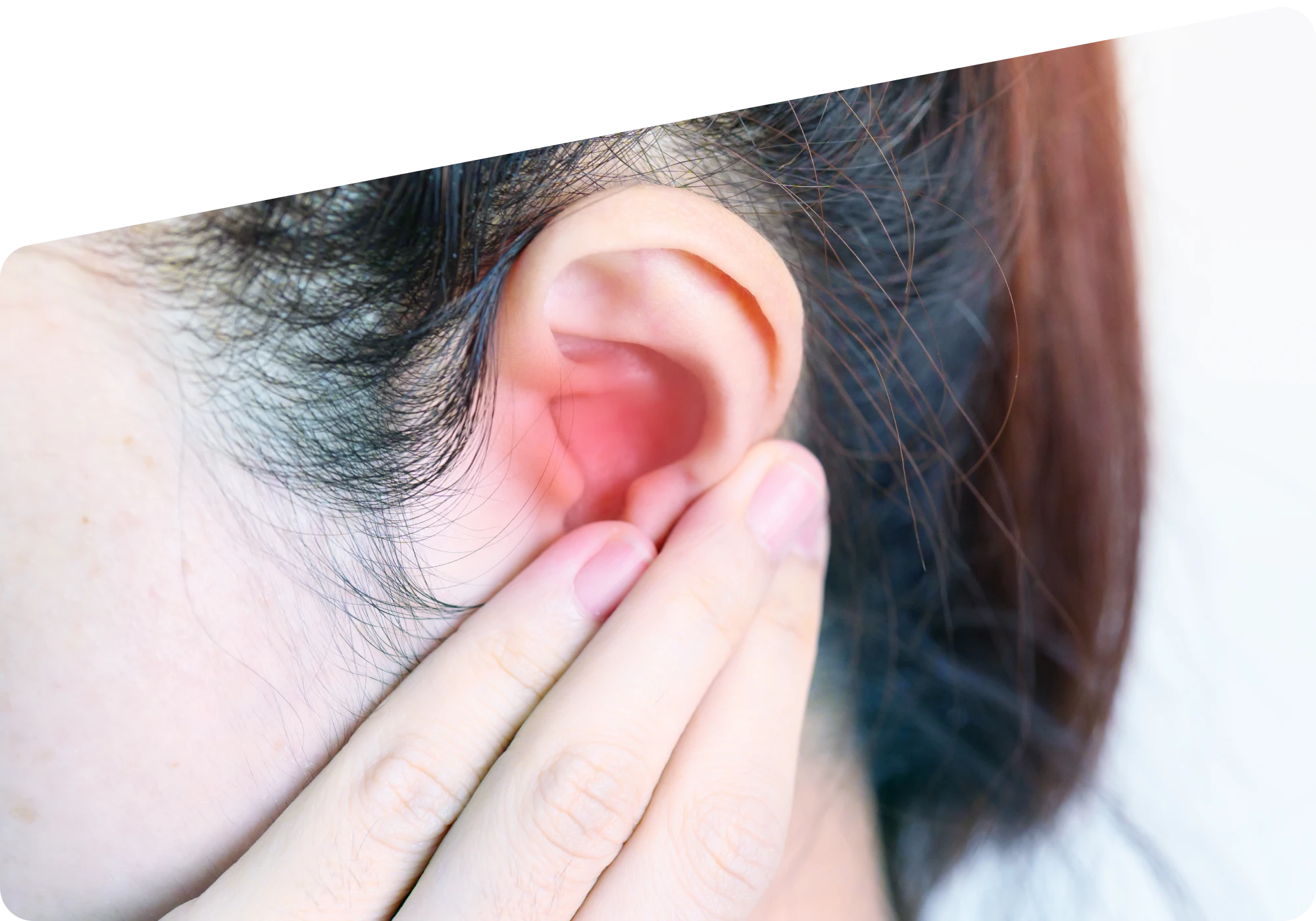
Common signs of ear canal inflammation include:
Ear itching: Persistent itching or irritation inside the ear canal.
Redness: Visible redness or irritation around the outer ear canal.
Ear pain: Discomfort that may become more noticeable when gently pulling the outer ear.
Ear discharge: Fluid draining from the ear, which may indicate inflammation or infection.
Swimmer’s ear affects the outer ear canal and is different from a middle ear infection.
If ear pain increases or discharge develops, avoid further water-removal attempts and seek an ENT examination to identify the cause and determine appropriate treatment.
Most mild water-related ear symptoms settle after gentle drainage. Arrange medical advice if you notice:
Ear pain that persists, becomes stronger, or is triggered by touching the outer ear.
Ear discharge, swelling, redness, or increasing itching after swimming.
Persistent blocked-ear feeling or muffled hearing that does not improve.
Repeated episodes of trapped water or ear discomfort after swimming.
Seek urgent assessment for sudden hearing loss, severe ear pain, significant dizziness, fever with ear swelling, or rapidly worsening symptoms. People with diabetes or weakened immunity should seek prompt medical advice if an ear infection is suspected.
Not sure whether your symptoms need an ENT visit? Contact the Magrabi Health team on WhatsApp to ask about an ear-care consultation at the Abu Dhabi branch.
An ENT examination helps identify whether ear blockage or irritation is caused by trapped moisture, earwax buildup, inflammation, or infection.
The examination typically involves the following steps:
Reviewing symptoms and medical history: The specialist asks about recent swimming, ear pain, itching, discharge, hearing changes, and any history of ear surgery or ear tubes.
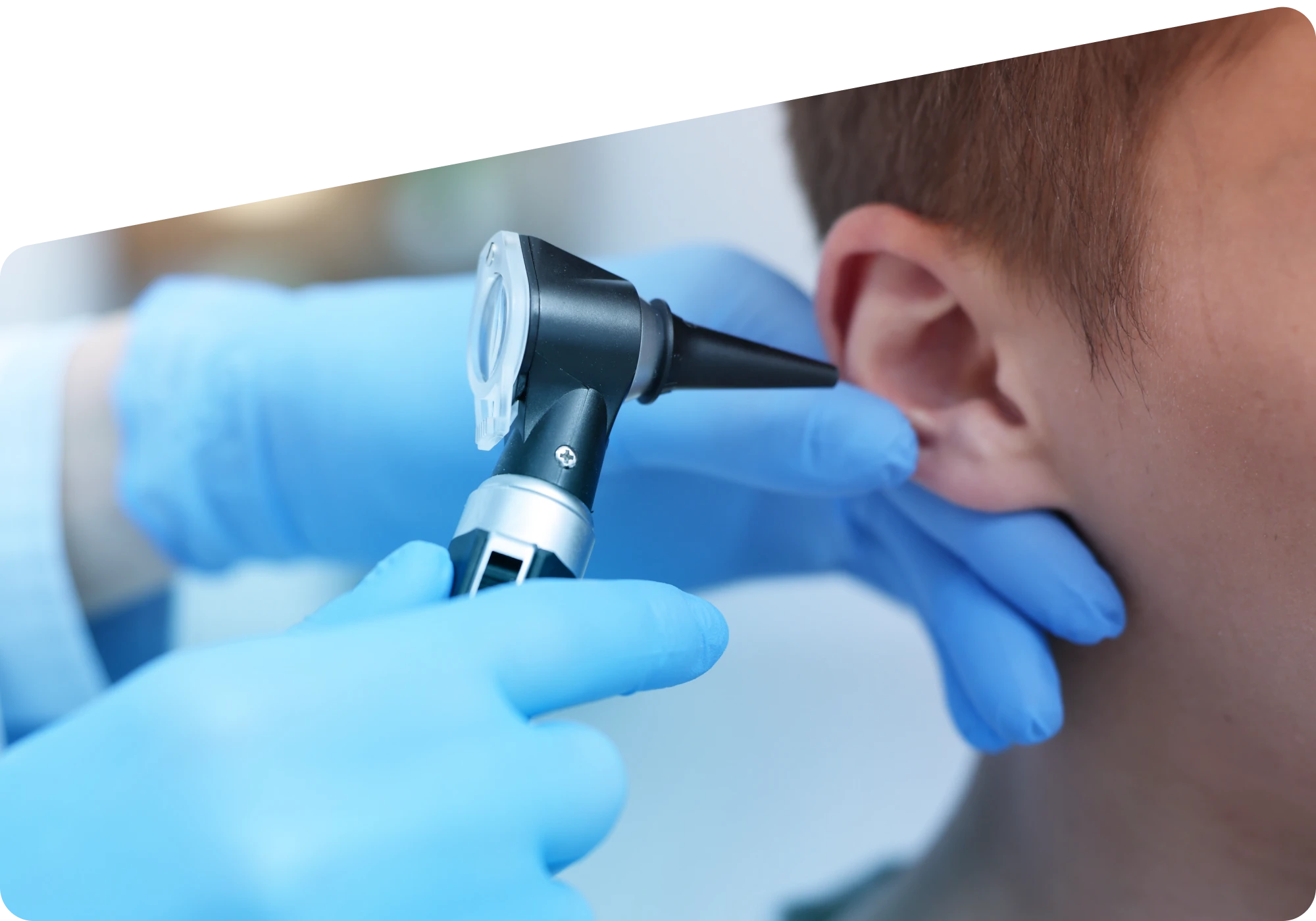
Examining the ear canal and eardrum: An otoscope allows the doctor to check for earwax buildup, swelling, inflammation, infection, or changes affecting the eardrum.
Identifying the underlying cause: The specialist evaluates the examination findings to determine whether the symptoms are related to trapped water or another ear condition.
Recommending appropriate management: Depending on the findings, treatment may include careful earwax removal, management of an outer-ear infection, or further hearing assessment.
The appropriate approach depends on the underlying cause rather than the blocked-ear sensation alone. An ENT examination can help determine whether treatment or additional testing is necessary.
Knowing how to remove water from ear safely can help manage occasional moisture, while proper drying habits may reduce the risk of repeated blockage after swimming.
A few practical habits can help keep the ear canal comfortable after swimming or showering:
Tilt each ear downward after swimming to allow water to drain.
Dry the visible outer ears with a clean towel; do not clean inside the canal with cotton swabs.
Consider a swimming cap or suitable earplugs if water frequently enters your ears.
Do not remove earwax unnecessarily. It helps protect the ear canal.
Ask a clinician about ear-drying drops if you swim often, especially if you have had previous ear problems.
If you already have an ear infection or have been advised to keep your ears dry, follow the precautions given by your treating clinician.
If your symptoms persist or you need a specialist evaluation, book an ENT consultation at Magrabi Health Abu Dhabi through a phone call or use the booking form.
Knowing how to remove water from ear safely begins with gentle drainage, careful drying, and avoiding objects or unapproved solutions inside the canal. Most temporary moisture-related fullness improves without treatment. However, a blocked sensation does not always mean water is still present. Persistent discomfort, itching, ear discharge, or hearing changes deserve medical attention. At Magrabi Health, an ENT assessment can help clarify the cause and guide appropriate care.
Medically reviewed by Dr. Ahmed Morsi .
Medical Disclaimer: The information in this article is for health education purposes only and does not replace a visit to a doctor or consultation with a qualified specialist. Magrabi Health doctors recommend seeking medical evaluation for an accurate diagnosis and appropriate treatment plan.
Centers for Disease Control and Prevention (CDC) – Preventing Swimmer’s Ear
World Health Organization (WHO) – Deafness and Hearing Loss: Ear Care (6 March 2026)
Management of Upper Respiratory Tract Infections in Pediatrics
Ear Wax Removal: Safe Methods and When to See an ENT
Ear Infection Symptoms: Types, Warning Signs and Diagnosis
Ear Pain: Common Causes, Relief and Warning Signs