Last Update: 12/11/2026
A blocked ear is a feeling of fullness, pressure, or muffled hearing in one or both ears. Common causes include earwax buildup, Eustachian tube dysfunction, nasal congestion, ear infections, and pressure changes during flights.
Safe relief depends on the cause. Swallowing or yawning may help equalize ear pressure, while suitable ear drops may soften accumulated earwax. Avoid cotton buds, forceful ear popping, or using medication without understanding the cause.
At Magrabi Health Abu Dhabi, we can help establish the cause before choosing an appropriate treatment plan. Many cases are temporary, but persistent symptoms need medical evaluation. Sudden hearing loss, even when it feels like a blocked ear, requires urgent medical attention.
If you want to understand the possible causes and assessment options, explore Otology and Ear Care at Magrabi Health Abu Dhabi.
The safest first step depends on what happened before the blocked-ear sensation started. This guide outlines possible explanations and low-risk measures; it cannot replace an examination or confirm a diagnosis.
Your situation | Possible explanation | What may help |
Blocked ear after a cold | Eustachian tube congestion | Swallowing, yawning, and saline nasal spray |
Ear blocked after a flight | Unequal middle-ear pressure | Chewing gum, swallowing, and gentle pressure equalization |
Gradual fullness with suspected wax | Earwax buildup | Appropriate wax-softening drops after checking precautions |
Blocked ear after swimming | Trapped water in the ear canal | Gently tilting the head and drying the outer ear |
Suddenly reduced hearing with a blocked feeling | Possible sudden hearing loss | Urgent medical assessment; do not wait for home remedi |
A clogged ear does not always mean the ear canal is physically obstructed. Pressure problems behind the eardrum can create a similar sensation even when the canal is clear.
Common symptoms include:
Ear fullness or pressure in the ear.
Muffled hearing or sounds seeming distant.
A clogged ear or plugged ear sensation.
Popping or crackling when swallowing or yawning.
Occasional ear discomfort or ringing.
Pain, discharge, marked dizziness, or a sudden change in hearing may suggest a different problem that needs assessment.
A clogged ear can have several causes, depending on whether the problem affects the ear canal, middle ear, or Eustachian tube. While earwax buildup and temporary pressure changes are common, infections and nasal congestion can also contribute to ear fullness and muffled hearing. Understanding these six causes can help identify the appropriate next steps and when medical evaluation may be necessary.
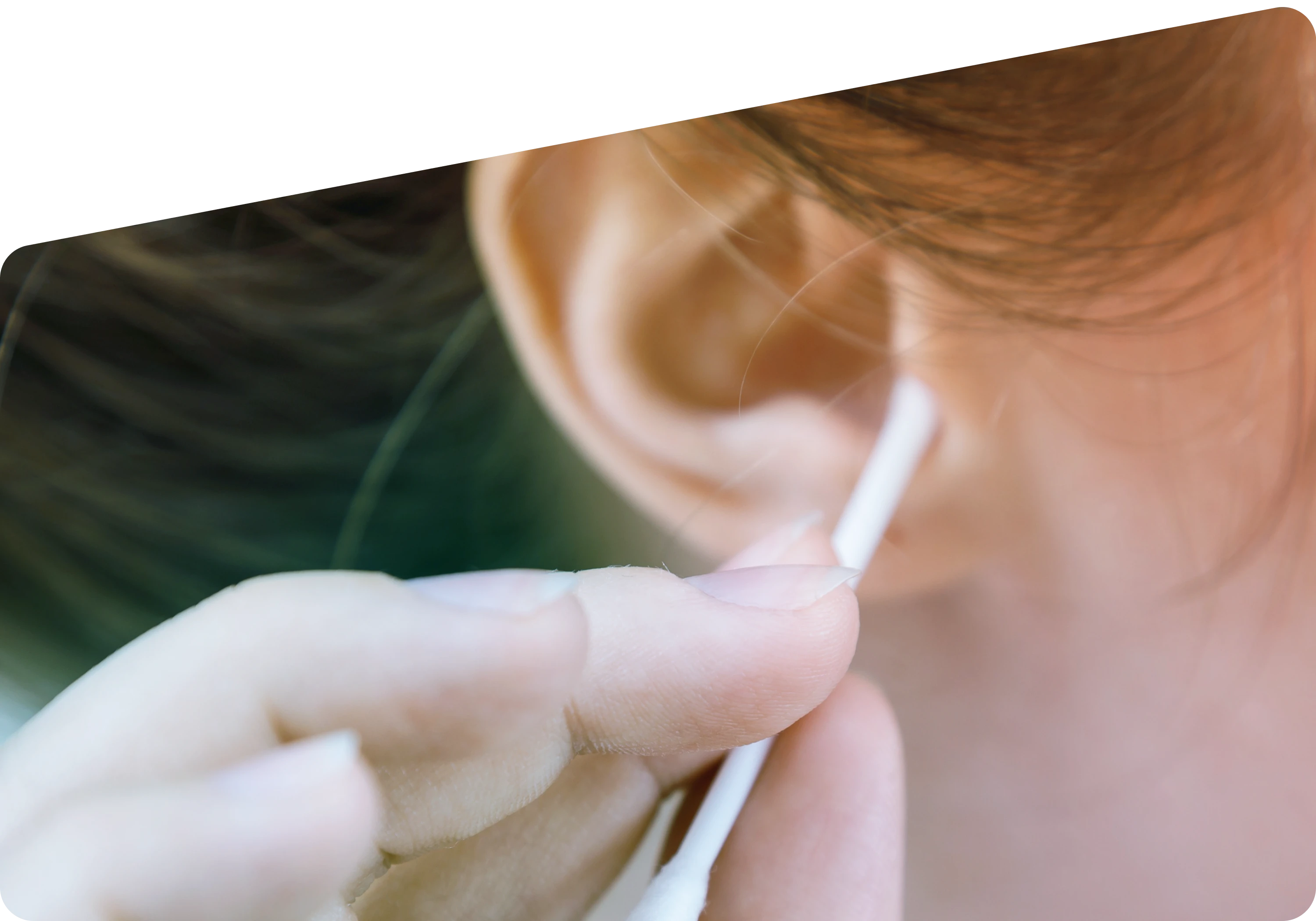
Earwax protects the ear canal, but a buildup can sometimes block sound and produce fullness, earache, or muffled hearing. Cotton buds may push wax deeper instead of removing it.
The NHS guide to earwax build-up explains that excess wax can cause a blocked feeling, hearing changes, and sometimes ringing or buzzing. Earwax is only one possible cause, so a blocked sensation should not automatically be treated as a wax problem.
The Eustachian tube connects the middle ear to the back of the nose and helps balance pressure across the eardrum. A cold can cause swelling and nasal congestion around this tube, making pressure harder to equalize.
The connection between cold and blocked ears explains why some people notice popping, ear pressure, or temporary muffled hearing during a respiratory infection. A clogged ear due to cold symptoms may improve as congestion settles.
If nasal blockage or allergy symptoms continue, you can learn more about Rhinology and Nasal Care at Magrabi Health.
The complaint "ear blocked after flight" is often related to rapid changes in cabin pressure during takeoff or landing. When the Eustachian tube cannot adjust quickly enough, the eardrum becomes stressed and the ear can feel full or painful.
This is known as ear barotrauma. The Mayo Clinic guide to airplane ear explains why swallowing, yawning, or chewing gum can help with pressure equalization. Flying with a cold, allergies, or an ear infection can make these symptoms more likely.
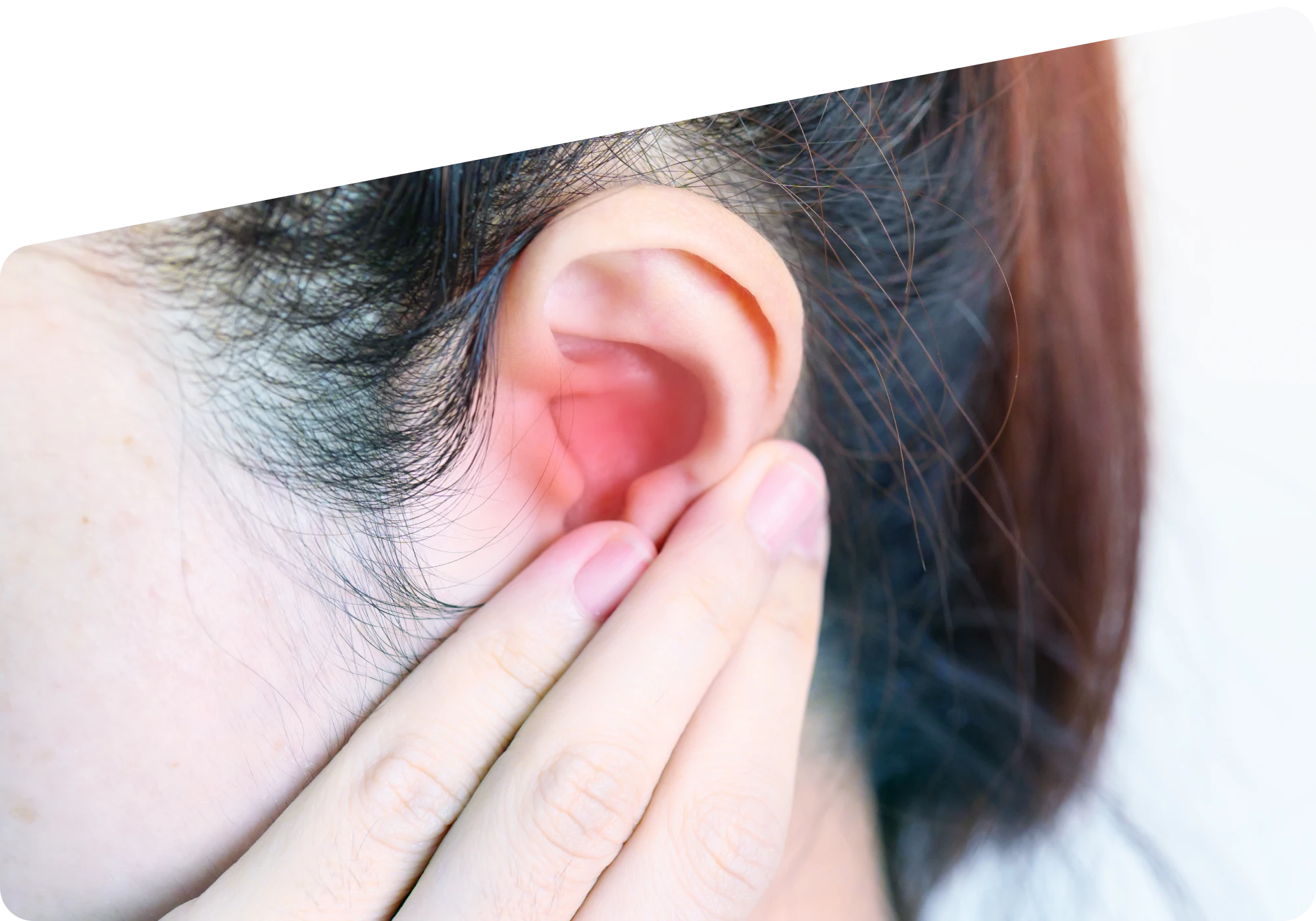
An outer-ear infection may cause canal swelling, tenderness, or discharge. A middle-ear infection or fluid behind the eardrum can also produce pressure and hearing changes.
Ear pain, fever, discharge, or worsening symptoms make an examination more important. Antibiotics are not necessary for every cause of ear blockage; treatment depends on the findings.
Allergic rhinitis and persistent nasal inflammation can affect Eustachian tube function even without a cold. This may cause recurring ear fullness, clicking, or a pressure imbalance.
If ear congestion repeatedly follows allergy symptoms, treating the underlying nasal condition may be more helpful than using ear drops. An ENT assessment can identify whether middle-ear pressure or another condition is involved.
Water remaining in the ear canal after swimming or showering may cause a temporary blocked-ear sensation. Continued moisture can sometimes contribute to inflammation or an outer-ear infection, often called swimmer's ear.
Gently tilt your head toward the affected ear and dry the outside with a towel. Do not put cotton buds or other objects inside the ear. Persistent fullness, itching, pain, or discharge after swimming should be assessed by a healthcare professional.
A blocked feeling in one ear may result from several conditions, including:
Earwax buildup: Accumulated wax can partially or completely block the ear canal.
Trapped water: Water remaining in the ear after swimming or showering may cause temporary fullness.
Ear infection: Inflammation or fluid buildup can cause pressure and muffled hearing.
Eustachian tube dysfunction: Difficulty regulating middle-ear pressure may affect one ear more than the other.
Hearing changes: Reduced hearing can create a blocked-ear sensation even when the ear canal is clear.
A blocked feeling in one ear is not always a cause for concern, but certain symptoms may indicate an underlying condition that requires medical attention. The timing, duration, and accompanying hearing changes can help determine when an ENT evaluation is necessary.
Sudden blockage with reduced hearing: Seek urgent medical assessment rather than assuming earwax is responsible.
Persistent or recurring blockage: Arrange an ear examination to identify the underlying cause and determine appropriate treatment.
If you are searching for how to open a clogged ear, start by considering whether the symptoms followed a cold, a flight, swimming, or gradual wax accumulation. There is no universal blocked ears cure: different causes need different approaches.
For people wondering how to unblock ears when a cold causes congestion, gentle pressure-equalizing movements may help:
Swallow regularly and try gentle yawning.
Consider a saline nasal spray to ease nasal congestion.
Drink fluids and allow time for the cold symptoms to settle.
Avoid forceful nose blowing or repeated attempts to pop the ears.
Some nasal decongestants are unsuitable for people with certain medical conditions and may worsen congestion if used for too long. Ask a pharmacist or clinician before taking them, especially during pregnancy or if you have heart problems or high blood pressure.
Advice on how to open clogged ears after a flight focuses on restoring middle-ear pressure gently:
Swallow, yawn, or chew gum while the pressure changes.
Take small sips of water and remain awake during takeoff and landing.
If appropriate, gently pinch the nose, close the mouth, and blow very softly to equalize pressure (the Valsalva maneuver).
Never force the maneuver or continue if it hurts. Severe pain, bleeding, dizziness, or hearing changes after flying require medical evaluation. If you have a significant cold or ear infection, ask for medical advice before flying when possible.
Ear drops for blocked ears may help when impacted earwax is responsible. Products used to soften wax can include olive-oil-based preparations or sodium bicarbonate drops, depending on individual suitability and local availability.
These drops do not relieve middle-ear pressure caused by a cold or a flight. Some people initially feel more blocked as the wax softens. Ask a pharmacist or ENT specialist before using drops if you are unsure of the cause.
Do not use earwax drops without medical advice if you have ear discharge, significant ear pain, ear tubes, previous ear surgery, or a known or suspected perforated eardrum. A professional ear examination is safer than repeatedly trying different products.
If water becomes trapped in the ear after swimming or showering, the following steps may help it drain safely:
Tilt your head: Position the affected ear downward to encourage water to drain naturally.
Move the outer ear gently: Carefully pull or move the outer ear to help release trapped water.
Dry the outer ear: Use a soft towel to remove moisture without inserting anything into the ear canal.
Avoid inserting objects: Do not use cotton buds, fingers, or other objects to remove trapped water.
Avoid homemade solutions: Do not use homemade ear-drying mixtures without medical advice.
If water repeatedly becomes trapped or symptoms such as pain, itching, or persistent ear fullness develop, seek medical assessment to rule out inflammation or infection.
A clogged ear remedy should never involve inserting objects or exposing the eardrum to unnecessary pressure. Avoid:
Cotton buds, hairpins, or ear-cleaning tools inside the canal.
Ear candles or unproven vacuum devices.
Forceful ear popping or aggressive home irrigation.
Antibiotics or medicated ear drops without a suitable diagnosis.
Repeated home treatment when hearing is getting worse.
Arrange a non-urgent ENT appointment if the blocked-ear sensation lasts more than a few days, frequently returns, or affects communication and daily activities. An examination is particularly useful when the cause is unclear.
Seek medical advice for:
Persistent or worsening ear pain.
Ear discharge, bleeding, or fever.
A blocked feeling after a flight that does not settle.
Recurrent one-sided ear fullness.
Ongoing muffled hearing, tinnitus, or dizziness.
Symptoms that persist despite appropriate, cautious self-care.
Seek urgent medical help for sudden hearing loss, a sudden major change in hearing, severe spinning dizziness, new facial weakness, or severe symptoms following an injury. A sudden hearing change can feel like ordinary blockage, so do not delay assessment to try wax drops or pressure maneuvers.
For non-urgent questions about persistent ear fullness, contact the Magrabi Health patient-support team on WhatsApp. They can help you ask about the appropriate ENT consultation in Abu Dhabi.
An ENT assessment starts with questions about when the symptoms began and whether they followed a cold, air travel, swimming, an infection, or ear cleaning. The clinician may ask about pain, ringing, dizziness, and changes in hearing.
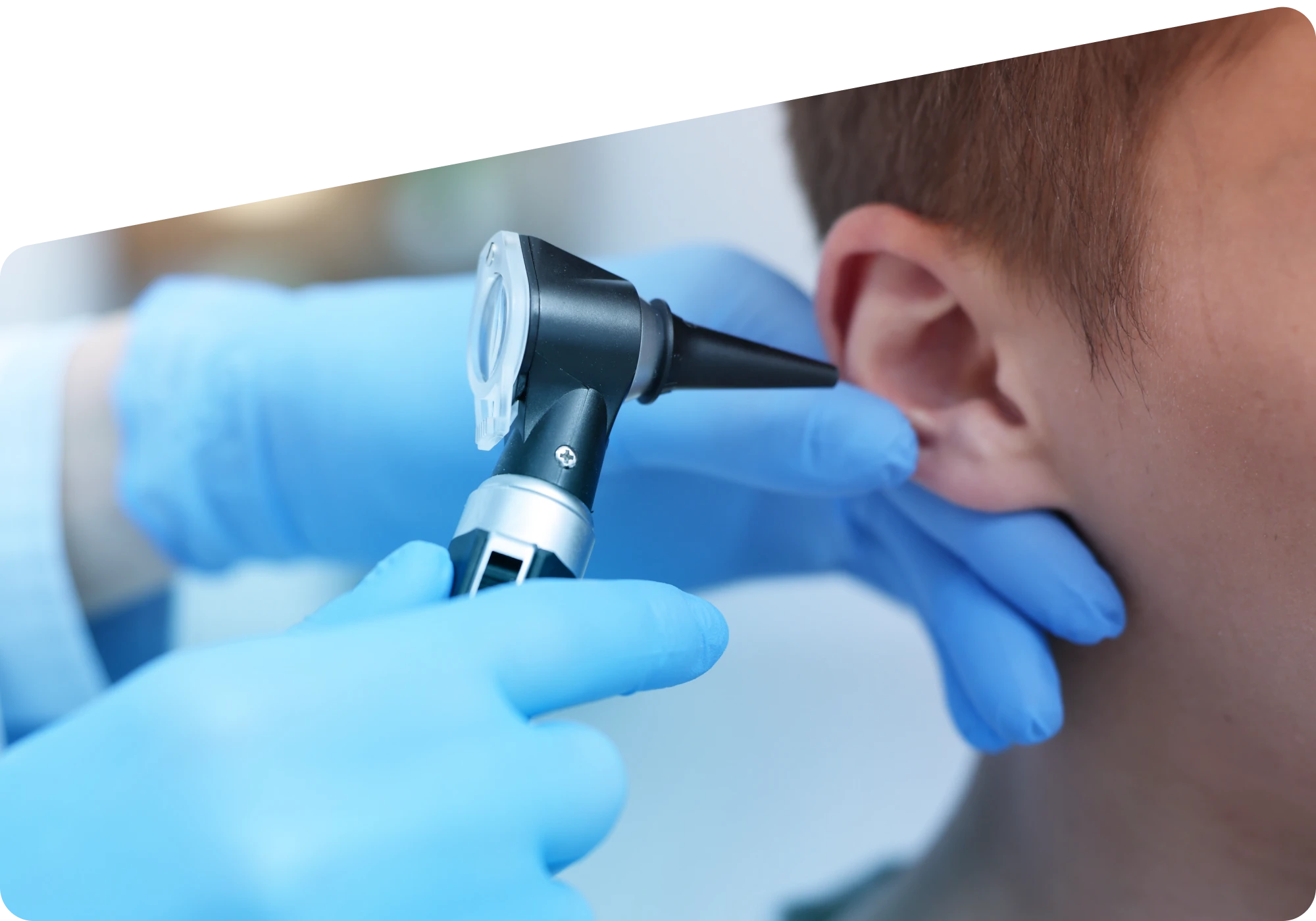
An otoscope is used to inspect the ear canal and eardrum for wax buildup, swelling, discharge, injury, or signs of middle-ear problems. This helps distinguish a physical blockage from symptoms caused by pressure changes.
A hearing test may be recommended if muffled hearing persists or hearing loss is suspected. Testing can help show whether sound transmission or inner-ear function is affected. Learn more about Audiology and Hearing Assessment at Magrabi Health.
Tympanometry may be used to assess how the eardrum moves as air pressure changes. It can help identify findings consistent with middle-ear fluid or pressure-regulation problems. Not every patient needs every test.
Treatment should target the cause identified during assessment:
Earwax buildup: Suitable softening drops or professional removal, such as microsuction or other methods selected by the clinician.
Cold-related congestion or allergies: Supportive care and management of the contributing nasal condition when appropriate.
Ear barotrauma: Gentle pressure-equalization advice, observation, and further evaluation if pain or hearing changes persist.
Ear infection or middle-ear fluid: Treatment based on the affected part of the ear, severity, and examination findings.
Unexplained hearing changes: Hearing assessment and timely specialist care rather than assuming wax is responsible.
At Magrabi Health Abu Dhabi, an Otology consultation can help establish the cause before choosing an appropriate treatment plan. Not every clogged ear needs antibiotics, ear cleaning, or a procedure.
How long ear blockage lasts depends on the cause. Pressure-related symptoms after a flight may settle as the ears equalize. Cold-related symptoms can last longer while nasal inflammation improves, and impacted earwax may continue to cause fullness until it softens or is removed.
There is no single recovery time that applies to everyone. If symptoms persist, worsen, or affect hearing, arrange an examination. Sudden hearing loss should be assessed urgently regardless of how recently symptoms began.
Several practical habits may reduce avoidable ear blockage:
Clean only the outer ear; do not insert cotton buds into the ear canal.
Address persistent nasal allergies or congestion with appropriate advice.
Swallow or yawn during aircraft takeoff and landing to help balance pressure.
When possible, avoid flying with significant nasal congestion or an active ear infection.
Dry the outer ear after swimming and seek advice if water-related symptoms recur.
Have recurring ear pressure or hearing changes assessed rather than relying on repeated home treatments.
If ear blockage keeps returning or affects your hearing, you can book an ENT consultation with Magrabi Health Abu Dhabi through a phone call or use the booking form to discuss the symptoms and arrange an appropriate assessment.
A blocked ear can result from earwax, cold-related congestion, allergies, infections, trapped water, or flight pressure changes. Gentle measures may help with temporary ear pressure, but the safest treatment depends on the cause. Avoid inserting objects into the ear or using medication without appropriate advice. If symptoms persist, recur, or affect hearing, an ENT assessment at Magrabi Health can clarify the problem and guide care. Sudden hearing loss requires urgent attention.
Medically reviewed by Dr. Ahmed Morsi .
Medical Disclaimer: The information in this article is for health education purposes only and does not replace a visit to a doctor or consultation with a qualified specialist. Magrabi Health doctors recommend seeking medical evaluation for an accurate diagnosis and appropriate treatment plan.
NHS - Earwax build-up
Mayo Clinic - Airplane ear: Symptoms and causes
Dubai Health Authority – Prevent Your Ears from Infection
Ear Wax Removal: Safe Methods and When to See an ENT
How to Remove Water from Ear: 5 Safe Methods
Ear Infection Symptoms: Types, Warning Signs and Diagnosis
Ear Pain: Common Causes, Relief and Warning Signs